Top 10 Situations Where Hiring a Landlord Attorney Can Safeguard Your Investments
Just How a Landlord Attorney Can Assist You Browse Difficult Lessee Disputes
Navigating renter disagreements can be a complex and daunting job for property managers. Issues such as non-payment, lease offenses, or also the expulsion process often need a nuanced understanding of landlord-tenant regulations. A property manager lawyer offers useful competence in these circumstances. They examine disputes, provide calculated services, and warranty compliance with legal demands. Recognizing when to seek their assistance can be important. The next actions can greatly influence the result of any kind of conflict.
Recognizing Landlord-Tenant Laws
Understanding landlord-tenant legislations is crucial for both lessees and property owners to navigate their legal rights and obligations successfully. These laws vary by jurisdiction yet usually lay out the obligations of each party regarding residential property upkeep, lease settlement, and expulsion procedures. Landlords need to supply habitable living problems and regard renters' personal privacy, while lessees are needed to pay rent on schedule and preserve the property. Knowledge with these regulations aids protect against conflicts and promotes unified connections. Additionally, expertise of renter protections, such as security down payment policies and anti-discrimination legislations, can equip tenants. For property owners, understanding lawful recourse in case of lease offenses is important. On the whole, a solid understanding of landlord-tenant legislations cultivates a fair and balanced rental experience for both parties involved.

Evaluating the Nature of the Disagreement
When a conflict occurs between a proprietor and lessee, examining the nature of the problem is essential for identifying the ideal training course of activity. Disagreements can vary from lease infractions, residential property maintenance concerns, to disputes over down payment or eviction procedures (Eviction Lawyer For Landlords). Each kind of conflict calls for a tailored technique. An extensive analysis entails celebration relevant documentation, such as lease contracts and communication records, to develop the facts. Additionally, comprehending the motivations and worries of both parties can supply insight into prospective resolutions. This fundamental analysis is important, as it notifies the proprietor's lawyer on just how to finest supporter for their client, guaranteeing that the property manager's legal rights are secured while going for an equitable result
Methods for Resolving Non-Payment Issues
Many techniques exist for proprietors to attend to non-payment concerns properly. Open interaction is crucial; property managers need to reach out to tenants to understand their monetary circumstance. Adaptable settlement plans can be provided, enabling occupants to pay past due rent in convenient installments. In addition, proprietors might consider giving motivations for timely payments in the future, such as discounts or forgoing late charges. Recording all communications and contracts is crucial for legal defense and clearness. If required, property managers can look for arbitration solutions to help with conversations. Inevitably, if these strategies fail, pursuing lawsuit might be called for, yet it needs to be considered as a last option. By employing these methods, landlords can possibly fix non-payment problems agreeably and successfully.
Attending To Lease Violations Effectively
Dealing with lease infractions needs a clear understanding of what makes up a breach of the rental contract (Landlord Attorney). Identifying details lease infractions is vital for property owners to take appropriate activity. Steven Adair MacDonald & Partners PC. In addition, discovering the lawful treatments readily available can help assure that property owners secure their rights effectively
Determining Lease Violations
Recognizing lease offenses is crucial for maintaining a harmonious landlord-tenant connection. Landlords need to regularly examine lease agreements and check lessee behavior to ensure conformity with established terms. Usual offenses include unauthorized pet dogs, late rent payments, property damage, and subletting without consent.
An eager eye for information permits landlords to detect these issues early, assisting in timely resolution. Steven Adair MacDonald & Partners PC. Documenting violations via photos, created notices, and communication can provide beneficial proof if disputes occur. Open up interaction with lessees regarding issues and expectations additionally plays an essential function in identifying concerns before they rise. By resolving infractions without delay and relatively, property managers can promote count on and teamwork, inevitably adding to an extra positive rental experience for both events
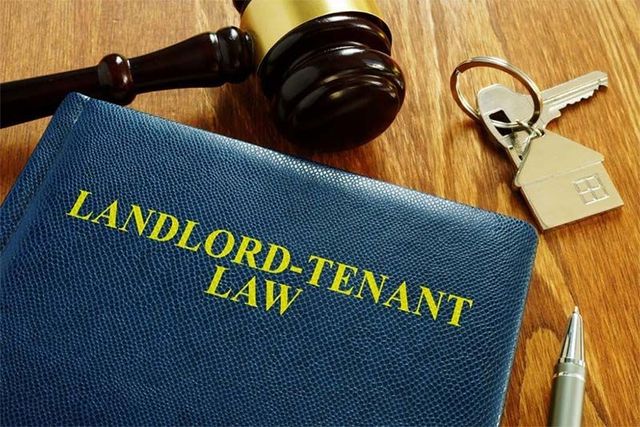
Lawful Remedies Offered
When lease offenses occur, property managers have a number of lawful treatments available to attend to these issues properly. One typical remedy is releasing an official notice to the lessee, describing the particular infraction and providing a timeframe for adjustment. If the lessee fails to comply, proprietors may pursue eviction proceedings, relying on local regulations. Additionally, landlords can look for monetary damages for any economic losses sustained because of the infraction. Mediation is one more choice, enabling both celebrations to work out a resolution without lawsuits. Landlords may likewise take into consideration lease discontinuation if offenses are repetitive or severe. Consulting a property manager attorney can offer guidance on the finest training course of action, making sure that all remedies align with relevant legislations and regulations.

The Eviction Process and Legal Factors To Consider
Although the expulsion process can vary substantially by jurisdiction, it usually follows an organized legal framework that proprietors must follow in order to shield their civil liberties. At first, property owners have to offer tenants with a correct notice, defining the reason for eviction and offering them a marked timeframe to correct the circumstance or vacate the premises. If the occupant fails to abide, landlords can file an eviction lawsuit in the suitable court. Upon receiving a judgment, proprietors may acquire a writ of ownership, permitting them to redeem their building. It is vital for proprietors to recognize regional regulations and laws governing the expulsion visit the site process, as improper procedures can lead to hold-ups or termination of the instance, jeopardizing their ability to regain possession.
Documents and Document Keeping
Effective documents and record maintaining are vital for proprietors handling occupant conflicts. Accurate documents provide a clear timeline of events, consisting of interaction, lease arrangements, and repayment histories. This details can be indispensable in solving conflicts and showing compliance with lawful commitments. Landlords should maintain in-depth notes on occupant communications, consisting of any type of grievances, upkeep demands, and reactions. Maintaining copies of all document, such as e-mails and letters, assurances that there is a dependable referral for any type of issues that may emerge. Additionally, photos of building conditions can serve as vital proof in disputes. By methodically arranging these documents, landlords can successfully sustain their placement and navigate difficulties with confidence, consequently reducing misconceptions and promoting a more favorable landlord-tenant connection.
When to Look For Lawful Depiction
At what point should a landlord consider seeking lawful representation for lessee disagreements? Landlords ought to contemplate legal help when conflicts rise beyond basic disagreements. Circumstances such as non-payment of lease, lease violations, or damages to building may call for expert intervention. When interaction with the occupant breaks down or becomes unproductive, a lawyer can provide quality and approach. If the property manager expects expulsion process or prospective litigation, appealing lawful advise is necessary to assure conformity with neighborhood legislations. Furthermore, landlords encountering harassment insurance claims or discrimination accusations need to seek instant lawful help to safeguard their rate of interests and rights. Eventually, very early appointment with an attorney can help alleviate threats and promote a much more beneficial resolution.
Frequently Asked Concerns
Just How Much Does Employing a Landlord Attorney Normally Price?
Hiring a property owner lawyer generally sets you back in between $150 to $500 per hour, relying on the lawyer's experience and location. Some may supply flat costs for details solutions, which can differ extensively based on the intricacy of the instance.
Can a Landlord Lawyer Represent Me in Small Claims Court?

What Qualifications Should I Seek in a Proprietor Attorney?
When looking for a landlord attorney, one ought to prioritize qualifications such as appropriate lawful experience, specialization in landlord-tenant regulation, positive customer reviews, solid negotiation abilities, and experience with neighborhood laws and court procedures.
How Lengthy Does the Eviction Refine Normally Take With Legal Aid?
The expulsion process generally takes between three to six weeks with lawful assistance, depending upon regional legislations, court routines, and the intricacy of the instance, making certain a more effective resolution for proprietors facing tenant disagreements.
What Should I Offer My Initial Consulting With a Landlord Attorney?
For the very first meeting with a property owner lawyer, one should bring relevant records such as lease contracts, document with lessees, expulsion notices, and any kind of evidence related to the conflict to assist in an efficient conversation.
Maneuvering occupant disputes can be a complicated and daunting job for landlords. When a dispute arises between a landlord and lessee, examining the nature of the dispute is vital for establishing the appropriate course of action. If the occupant falls short to abide, property owners might pursue expulsion procedures, depending on neighborhood legislations - Landlord Attorney. Effective paperwork and record keeping are vital for landlords managing occupant conflicts. At what factor should a property owner take into consideration seeking legal representation for lessee conflicts?